
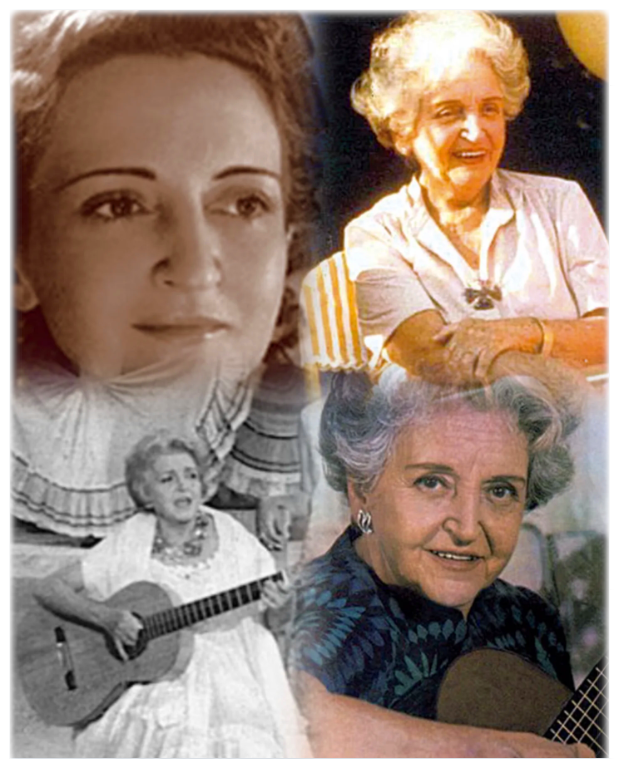
Active and Decreed Positive Visualization
in Conny Méndez’s Metaphysics
| Conny Méndez Concepts | What it implies |
|---|---|
| Decree (Decreto) | Conscious and focused verbal affirmation |
| Mental image (Imagen mental) | Deliberate visualization of the desired outcome |
| Directed attention (Atención dirigida) | Focusing the mind only on what one wants to create |
| Associated feeling (Sentimiento asociado) | Living emotionally as if it had already been achieved |
| Acceptance (Aceptación) | Internally accepting it as a given that it is already on its way |
For Conny Méndez, it is not enough to simply «see» mentally: you have to feel, affirm, and sustain that image.
The fundamental principles behind this practice
1. 🔑 «Where attention goes, energy flows»
This is probably the most central principle of all her teachings.
- Attention is like a spotlight: whatever you illuminate, grows.
- If you think about the problem, you feed it.
- If you think about the solution as if it already existed, you nourish it.
- Therefore, visualization is not passive (it’s not daydreaming), but a deliberate act of directing your attention.
Practical implication: Consciously withdrawing attention from the negative and redirecting it toward the desired image.
2. 🔑 The creative power of the «I AM» Presence
For Conny Méndez:
- Every person has an inner divine spark (the «I AM» Presence).
- That Presence is creative by nature.
- When you say «I AM…», you are activating that creative power.
- Visualization, therefore, is not isolated «magical thinking,» but conscious collaboration with that inner force.
Practical implication: Visualization is enhanced when accompanied by the «I AM» invocation (example: «I AM perfect health,» while visualizing a healthy body).
3. 🔑 The decree as the creative word
The decree is the verbal expression of the visualization:
- It is neither a wish nor a plea → it is a declaration of certainty.
- The spoken word has more power than thought alone.
- Decree + mental image + feeling = triple creative anchor.
Practical implication: You don’t say «I want to be well» (that implies lack), but «I AM well-being» (that implies present reality).
4. 🔑 Feeling as «fuel»
This point is crucial and distinguishes Conny Méndez’s teachings from a simple «visualization technique»:
- The mental image is the mold.
- The feeling is the energy that fills that mold.
- Without an associated emotion, the visualization is weak.
- You must feel gratitude, joy, and peace as if what is visualized were already real.
Practical implication: When visualizing, it’s not enough to «see» → you must internally experience the emotion of the achieved outcome.
5. 🔑 The Law of Mentalism: «All is mind»
Conny Méndez relies on Hermetic principles (from The Kybalion):
- External reality is a reflection of internal reality.
- Changing the inner image precedes outer change.
- The mind is the cause; circumstances are the effect.
Practical implication: Visualization is not «escapist fantasy» but causal work: you are modifying the cause (mind) so that the effect (experienced reality) changes.
6. 🔑 Harmony as an indispensable condition
A principle that Conny Méndez repeats often:
- If you visualize but are full of anger, fear, or resentment, those emotions contradict and nullify the positive image.
- Before decreeing/visualizing, you must harmonize yourself: forgive, let go, quiet down.
- Inner peace is the fertile ground where visualization bears fruit.
Practical implication: Emotional cleansing first, visualization second. Or at least simultaneously.
7. 🔑 Consistency and repetition («Don’t let up»)
- Visualization is not a one-time act: it is a daily discipline.
- The mind has deeply rooted negative habits → repetition is needed to replace them.
- Conny Méndez insists on not contradicting the decree with opposing thoughts afterward.
Practical implication: Decree and visualize daily, and monitor your internal dialogue so as not to sabotage what has been declared.